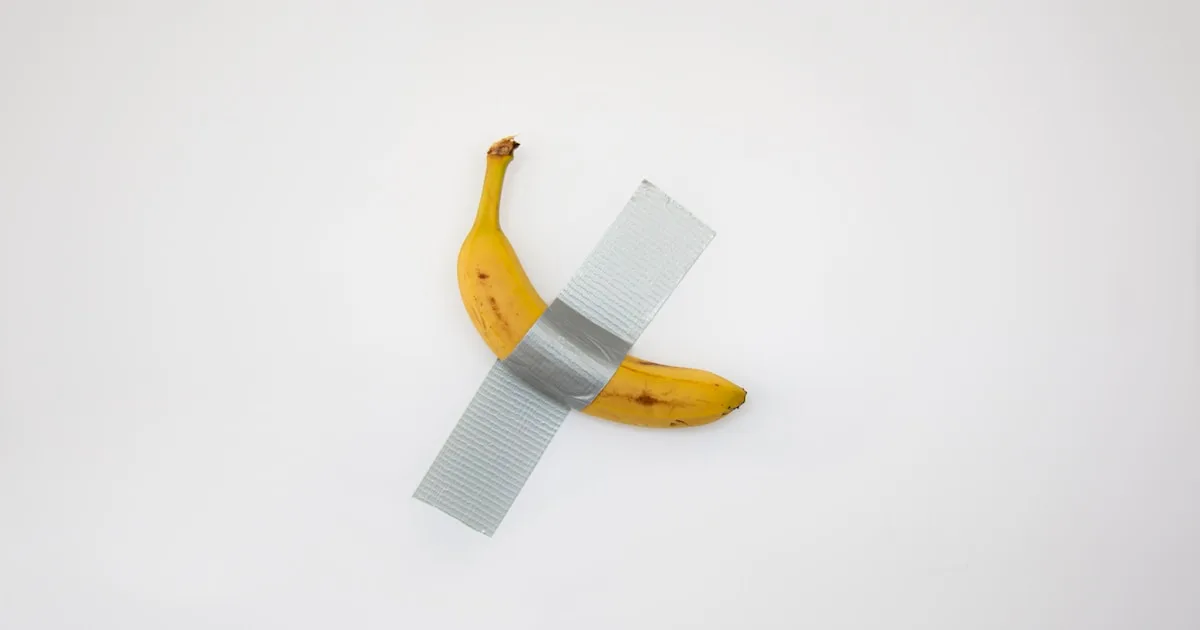
VEO 3 + Nano Banana: The AI Creative Tsunami Every Marketer Needs to Navigate
Everyone's flooding LinkedIn with AI-generated content, dropping "Nano Banana" in comments like it's a secret handshake. Behind Google's VEO 3 and Nano Banana hype lies a deeper story: while these tools democratize professional content creation, they come with hidden costs: environmental impact, creative homogenization, and ethical concerns we can't ignore.
PRACTICE & PROCESS
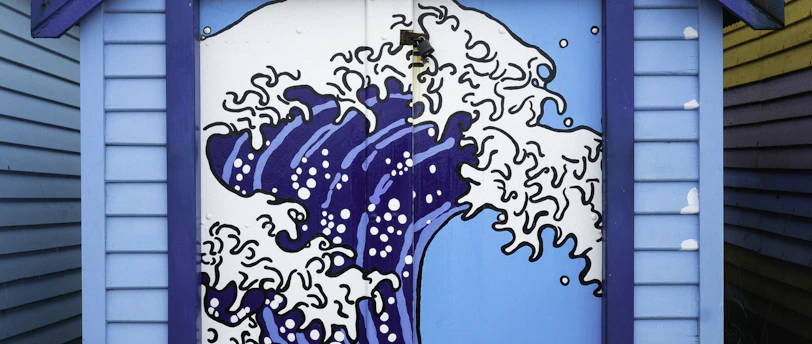
We cannot unsee it on our LinkedIn feeds. Everyone's posting slick AI-generated UGC clips and "generously" offering their workflows/hacks/guides by simply commenting "Nano Banana," "VEO 3 + Banana," "UGC," or even "Hakuna Matata" (okay, the last one I made up). But you get the picture.
My own feed is drowning in these posts. People in my network dropping comments just to glimpse the magic behind the curtain.
As strategists, we're not in the business of creative tools. But when half our feed is buzzing, we don't ignore the wave. We ride it, conduct research to understand it, and most importantly, we question it.
What Is VEO 3?
Google's VEO 3 is its most advanced text-to-video AI model, generating 8-second cinematic clips (with optional audio) from prompts or visuals. Available via Google's AI Studio suite, predominantly for AI Pro or Ultra subscribers, it delivers impressively polished output with remarkable reliability.
What Is Nano Banana?
Nano Banana is the fast, branded image generation and editing counterpart in the Google AI Studio ecosystem. It enables rapid visual output that's consistent in tone, layout, and style. Whether mockup-level or finished image, this capability accelerates content generation pipelines dramatically.
The Viral Demo That Sparked My Deep Dive
This captures how 13 images were combined into a single rendered visual. Quite impressive, and exactly the type of workflow flooding LinkedIn right now: high-end output, time-saving solutions for generating massive amounts of content.
Why This Advancement Matters Strategically
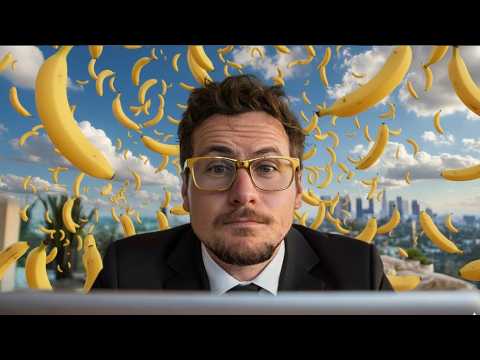
These aren't just tools; they're new variables in the strategic equation. VEO 3 outputs resemble professional video production, democratizing creativity for anyone who can describe their vision in text. Combined with Nano Banana's consistent visuals, the implications ripple across industries:
- Retail & E-commerce: Flash promos and seasonal ads no longer require production studios or extensive external services. Imagine launching a Black Friday campaign where every product gets its own video variation, tailored to different demographics, all generated in hours instead of weeks. Small retailers can now compete with big-brand production values, creating lifestyle videos that showcase products in aspirational settings without booking locations or models.
- Creative Agencies: Instant mockups and previews accelerate client pitches and approvals. Instead of describing a concept with mood boards, agencies can generate near-final quality previews during the brainstorming phase. This means fewer revision cycles, faster approvals, and the ability to test multiple creative directions simultaneously without burning through production budgets. Pitch decks transform from static slides to dynamic showcases.
- Content Creators & Social Marketers: Mass-produce variations with better product placement quality, eliminating logistics of physical sample distribution. A single creator can now generate dozens of UGC-style videos featuring products they've never physically touched. Brands can A/B test infinite variations of the same message, optimizing for different platforms, audiences, and cultural contexts. The traditional influencer model gets disrupted when anyone can produce influencer-quality content at scale.
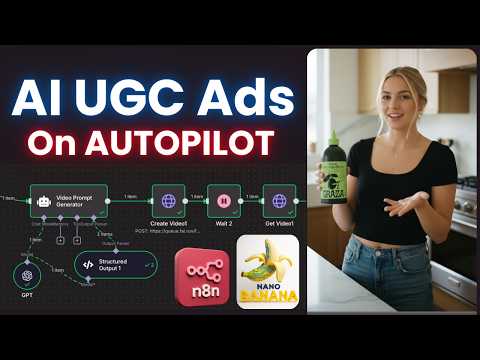
Take this n8n workflow example: a no-code solution chaining Nano Banana, VEO 3, and automation to generate endless UGC-style ads.Watch the video below showcasing how brands can automate UGC ad creation without coding. It's not fantasy. It's happening now.
The Hidden Costs We're Not Discussing
But here's where my enthusiasm meets concern. Bright lights cast the darkest shadows:
- Trust Issues: Deepfake-level realism threatens authentic communication. When everything looks professional, how do we distinguish genuine from generated?
- Creative Homogenization: Same models = same visual language. My feed already shows this pattern with distinctly similar aesthetics flooding every corner.
- Ethical Strain: These tools run on massive compute power, environmental loads, and often opaque labor practices.
The Bigger Picture: Empire of AI
I'm currently finishing Karen Hao's Empire of AI: Dreams and Nightmares in Sam Altman's OpenAI, I can't ignore the parallels. Released May 2025, based on 260+ interviews and internal documents, the book reveals how AI empires are built on resource extraction, low-paid data labor (often outsourced to regions like Kenya), and energy-hungry infrastructure.
Every prompt we execute, every video we generate: it's all part of a larger system with real human and environmental costs.
By the way, another book worth reading is The AI Con: How to Fight Big Tech's Hype and Create the Future We Want by Drs. Alex Hanna and Emily M. Bender.
The Uncomfortable Reality Check
So here's the tension: We're marketers and strategists; we love what we do. Our clients demand innovation, speed, and cost efficiency. VEO 3 and Nano Banana deliver all three. But we're also citizens of a world where our choices compound into consequences.
The uncomfortable truth? We're already complicit. By the time you finish reading this article, thousands more videos will be generated, each one pulling from that same pool of extracted data, burning through server farms, validated by workers we'll never meet earning wages we'd never accept.
But here's what we often forget in our rush to innovate: we are only guests on this beautiful planet. Every technology we embrace, every system we feed, it all leaves a mark on the home we're borrowing from future generations. The carbon footprint of training these models, the energy consumption of every render, the electronic waste from obsolete hardware. These aren't just statistics. They're debts we're accumulating against a planet that doesn't send invoices until it's too late.
Opting out isn't the answer. These tools exist. Our competitors will use them. The Opt-Out train has left the station.
What we can do is be conscious participants rather than blind consumers. We can push for transparency, demand ethical practices, and most importantly, use these tools in ways that add genuine value rather than just more noise. The goal isn't perfection; it's remembering that innovation without responsibility is just sophisticated vandalism. We need to treat this technology, and the planet that powers it, with the respect that guests owe to their host.
Playing It Smart: A Framework for Responsible Adoption
As an AI enthusiast myself, I believe we need guardrails, not roadblocks. Here's how to navigate this tsunami responsibly:
1. Transparency First
- Label AI-generated content clearly
- Build trust through disclosure, not deception
- Create brand guidelines for AI use
2. Preserve Human Touch
- Use AI for acceleration, not replacement
- Maintain editorial oversight and creative direction
- Invest saved time into strategy and genuine connection
3. Diversify Your Creative Stack
- Don't rely solely on one platform's aesthetic
- Mix AI-generated with human-created content
- Develop a unique visual voice beyond the defaults
4. Question the True Cost
- Consider environmental impact in your content strategy
- Support platforms with transparent ethical practices
- Budget for both creation AND verification tools
5. Educate Your Team
- Train on both capabilities AND limitations
- Discuss ethical implications openly
- Create clear use-case policies
The Choice Before Us
VEO 3 + Nano Banana won't just change ad creative production. They'll redefine our relationship with speed, trust, and originality in marketing.
The tsunami isn't coming. It's here. The smart question isn't if you ride it, but how you ride it without losing your soul in the process.
I admit I'm no saint, but I am aware that the responsibility is ours. ðð¼
[ NEXT_STEP ]
Want to put this to work? Let's talk.